Scope Creep, the Quiet Killer — and How to Spot It
Scope creep doesn't announce itself. It arrives one tiny 'small ask' at a time. Here's the early-warning system.
Every 'small ask' is small in isolation. They never come in isolation.
Three signals
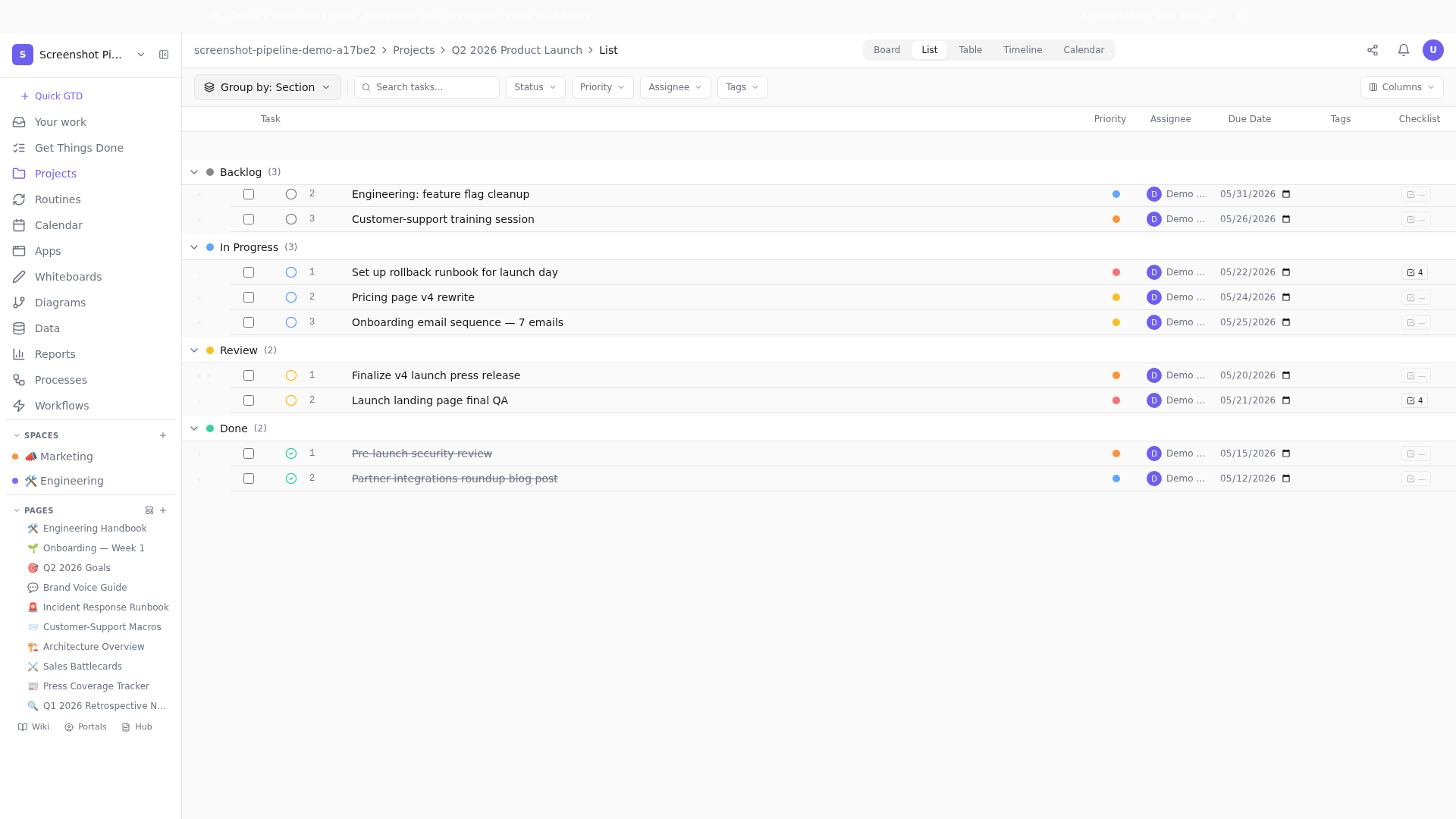
- Task count grew >20% since kickoff with no schedule extension.
- More than 2 'out of scope' items quietly moved into the active board.
- The PMO scope section hasn't been updated in 14+ days while new work landed.
What to do
Don't say no. Say 'this is a new scope item — let's discuss whether it replaces something or extends the timeline.' Owner of the request makes the call. The conversation lives in the project, not a Slack DM.
Open the demo and run the 'sort by created date' check on a real project.Related posts
The Complete Project Management Playbook
A full-length guide to running projects that don't drift — from kickoff through closeout, with every cadence, artifact, and conversation that actually moves the needle. Drawn from running hundreds of projects in Tellzm.
Project Management Without the Drift
Most projects don't fail at kickoff. They drift, week by week. Here's how to set up a project in Tellzm so you catch drift before it becomes a slip.
Stakeholder Management Without the Status Meeting
If you're running a weekly status call because nobody trusts the dashboard, the dashboard is the problem. Here's how to fix it.
The Project Kickoff Meeting Template That Actually Works
Most kickoffs waste the first hour on intros and the second on vague ambitions. Here's a 45-minute structure that ends with everyone knowing what's next.
Why Every Project Needs a Decision Log
Three months after a project closes, the most expensive question becomes 'why did we choose X?'. A decision log answers it in 30 seconds.